
Client

Department for Infrastructure and Transport (DIT)

Project Description

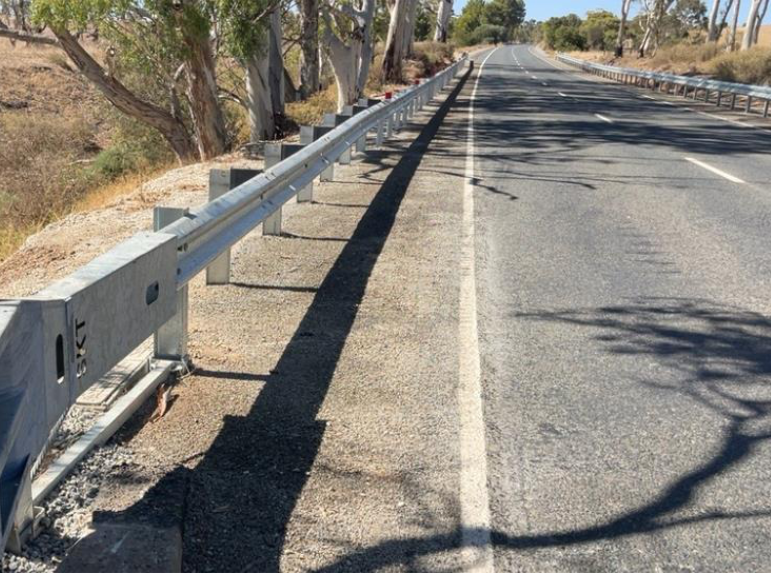
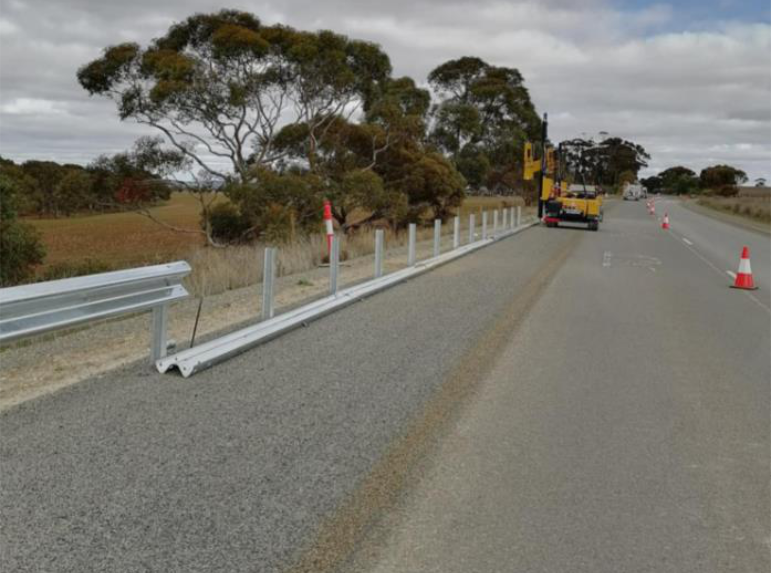
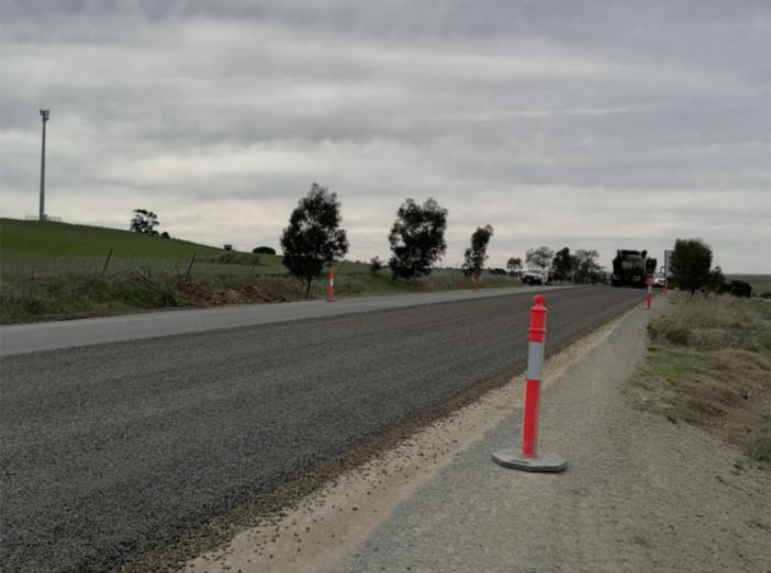
Pavement widening, including installation of sealed shoulder, pavement stabilisation, safety barrier installation, sign replacement and stormwater and drainage works.

Roles and Responsibilities

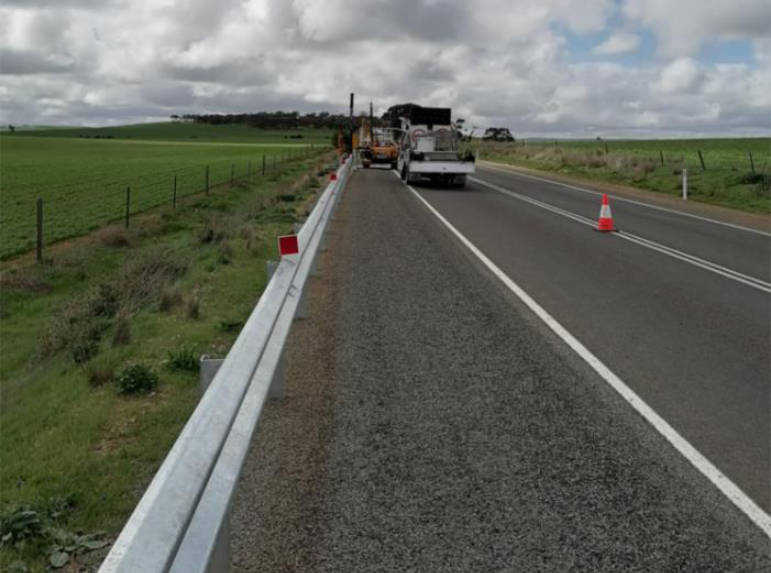
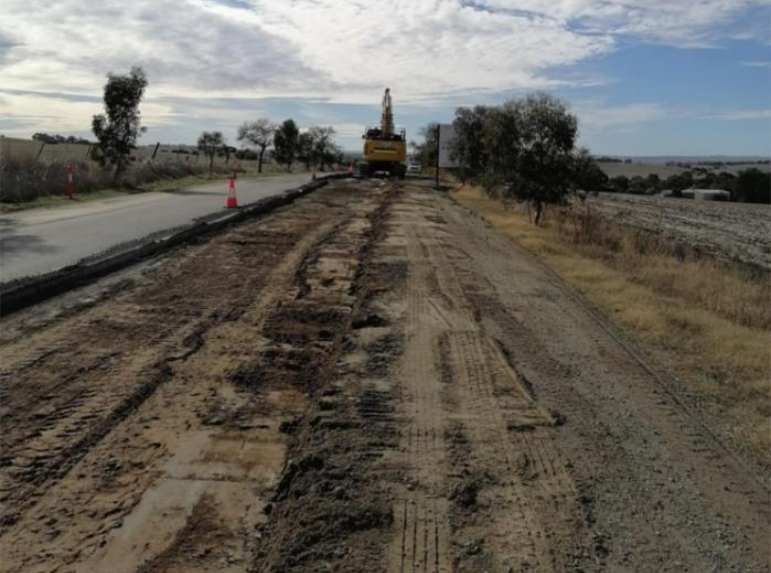
  • Sealing and widening of existing road
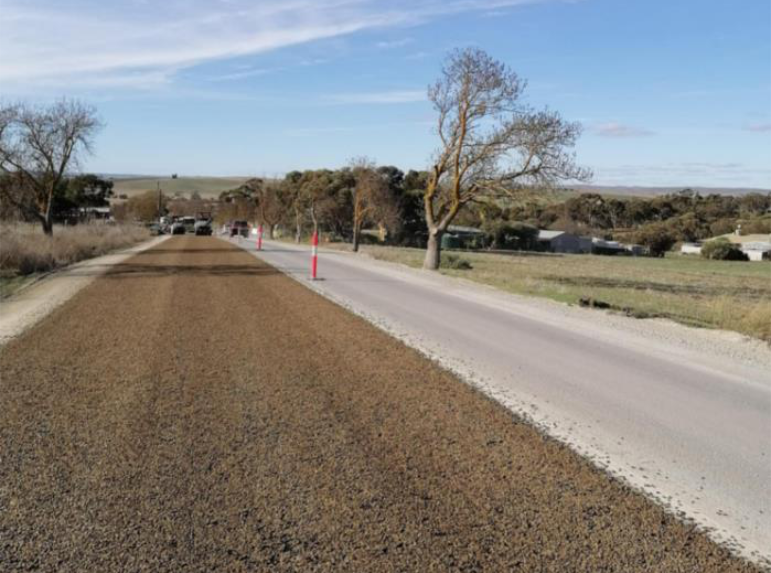
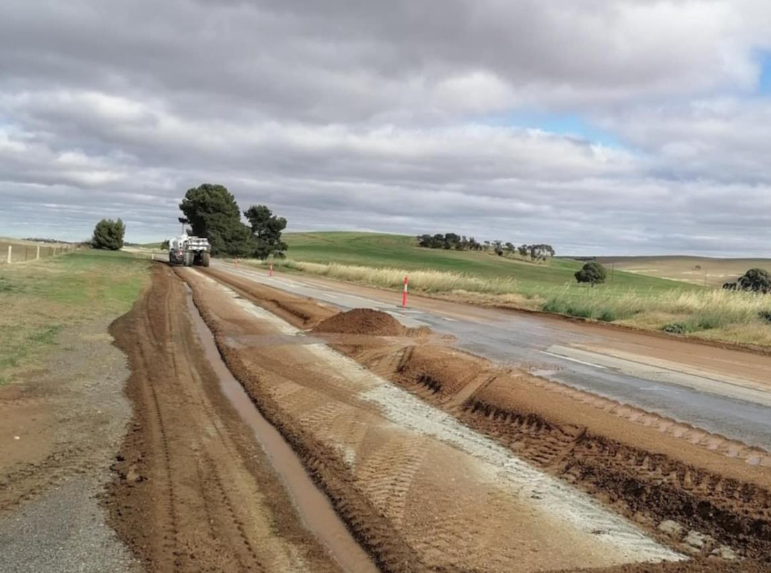
  • Pavement stabilisation
  • Improve the existing curves including provision of lane widening and additional shoulder width
  • Sealing improvements including minor side road junction and access point sealing
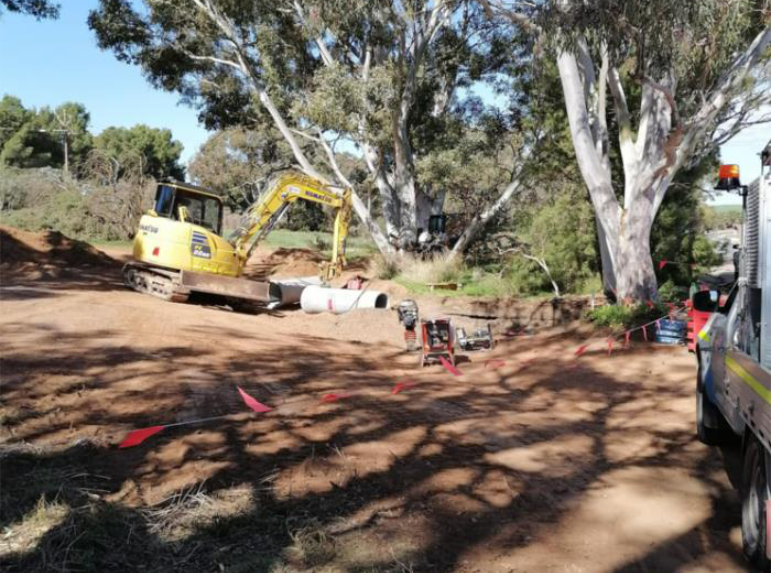
  • Extension of stormwater crossings
  • Ancillary works relating to the seal works including guidepost, signage and line marking
  • Removal and trimming of existing vegetation

Location

Thiele Highway between Kapunda and Eudunda (MM 0 to MM 27)

Duration

April 2024 – October 2024

Contract Value

$6 million

Project Overview

This safety upgrade project involved the upgrade and improvement of approximately 27 km of the existing Thiele Highway between Kapunda and Eudunda. The project was undertaken to improve road safety, pavement performance, trafficability and overall road network functionality.

The works included the widening and sealing of the existing road, pavement rehabilitation and stabilisation, improvements to existing curves, and the provision of additional lane and shoulder widths. The project also incorporated improvements to minor side road junctions and property access points to provide safer and more consistent sealed connections to the highway.

The project was successfully delivered over the April 2024 to October 2024 construction period, with works undertaken in accordance with DIT requirements, relevant roadwork specifications, safety requirements and traffic management controls.

Objectives

The main objectives included:

  • Improved road geometry, lane and shoulder widths and overall road safety.
  • Rehabilitated and stabilise pavement to improve strength and service life.
  • Improved sealing, intersections and property access points.
  • Upgraded stormwater drainage and road infrastructure.
  • Improved visibility and roadside delineation through vegetation management, signage, guideposts and line marking.
  • Minimisde disruption through effective staging and traffic management while meeting DIT requirements.

Scope of Work

  • Road Widening and Sealing
    • Widening of the existing road formation and pavement to the required design widths.
    • Construction of pavement widening and tie-ins to the existing pavement.
    • Sealing of widened pavement areas and existing unsealed shoulders.
    • Preparation and treatment of existing pavement surfaces prior to sealing.
    • Construction of appropriate transitions between existing and upgraded pavement areas.
  • Pavement Rehabilitation and Stabilisation
    • Assessment and preparation of existing pavement prior to rehabilitation.
    • Pavement stabilisation to improve the strength and durability of the existing pavement.
    • Treatment of pavement deficiencies and areas requiring rehabilitation.
    • Placement, trimming and compaction of pavement materials to the specified levels and crossfalls.
    • Quality control and testing of pavement materials and completed works.
  • Curve and Road Geometry Improvements
    • Improvement of existing curves to provide safer and more consistent road geometry.
    • Provision of additional lane width at identified locations.
    • Widening of shoulders to improve vehicle recovery areas and overall road safety.
    • Construction of appropriate transitions between widened and existing sections.
  • Intersection and Access Sealing
    • Sealing improvements at minor side road junctions.
    • Sealing and upgrading of existing property and access points.
    • Construction of appropriate tie-ins between the highway and side roads/accesses.
    • Maintaining safe and practical access for adjacent properties and road users throughout construction.
  • Stormwater and Drainage Works
    • Extension of existing stormwater crossings to accommodate the widened road formation.
    • Construction and modification of drainage infrastructure associated with the road upgrades.
    • Protection of existing drainage infrastructure during construction.
  • Ancillary Roadworks
    • Installation, relocation and adjustment of guideposts.
    • Installation and adjustment of road signage.
    • Pavement marking and line marking associated with the upgraded road.
    • Completion of miscellaneous works required to finalise the road upgrade and provide a safe, functional road environment.
  • Vegetation Management
    • Removal of existing vegetation within the required construction areas.
    • Trimming of vegetation to improve sight distance, road safety and construction access.
    • Management of vegetation removal in accordance with project and environmental requirements.

Innovations and Strategies

Through effective planning, staged construction, proactive risk management, quality control and coordinated traffic management, the works were delivered while maintaining a strong focus on the safety of road users, the workforce and the surrounding community. The targeted rehabilitation and widening strategies also provided a practical and cost-effective approach to improving the existing road infrastructure and extending its service life.

Conclusion

This project successfully delivered significant improvements to the safety, functionality, durability and overall condition of the highway between Kapunda and Eudunda.

The project demonstrates the capability to successfully deliver complex road infrastructure works across a long and active highway corridor. The completed works have improved road safety, pavement performance, drainage, driver guidance and overall network reliability, supporting safer and more efficient travel between the townships.