
Client

Department for Infrastructure and Transport (DIT)

Project Description

Road Widening, Pavement Rehabilitation & Shoulder Sealing

Roles and Responsibilities

  • Sealing and widening of existing road
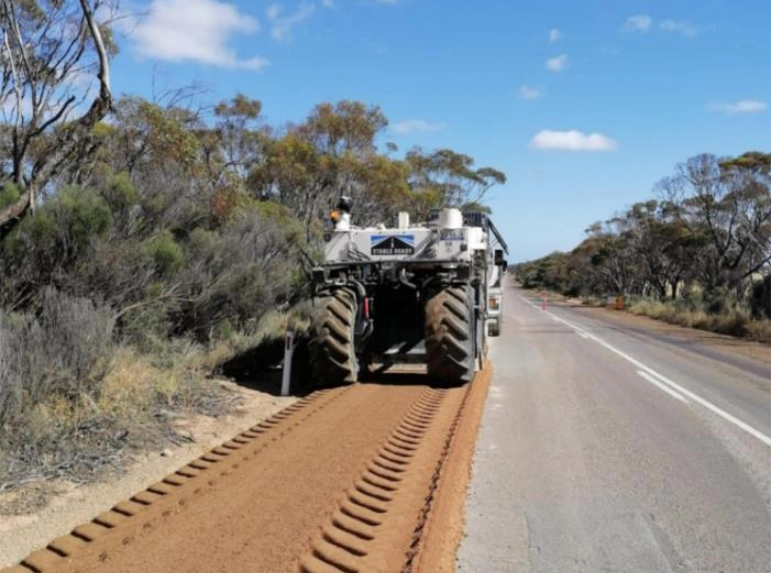
  • Pavement stabilisation
  • Improve the existing curves including provision of lane widening and additional shoulder width
  • Sealing improvements including minor side road junction and access point sealing
  • Extension of stormwater crossings
  • Ancillary works relating to the seal works including guidepost, signage and line marking
  • Removal and trimming of existing vegetation

Location

Upper Yorke Road between Port Broughton and Bute (MM 4.83 to MM 29.36)

Duration

August 2024 – February 2025

Contract Value

$10 million

Project Overview

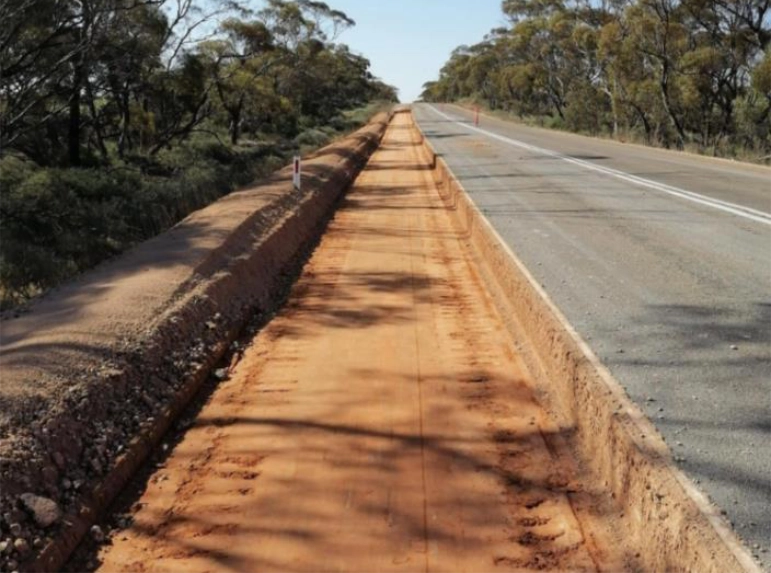
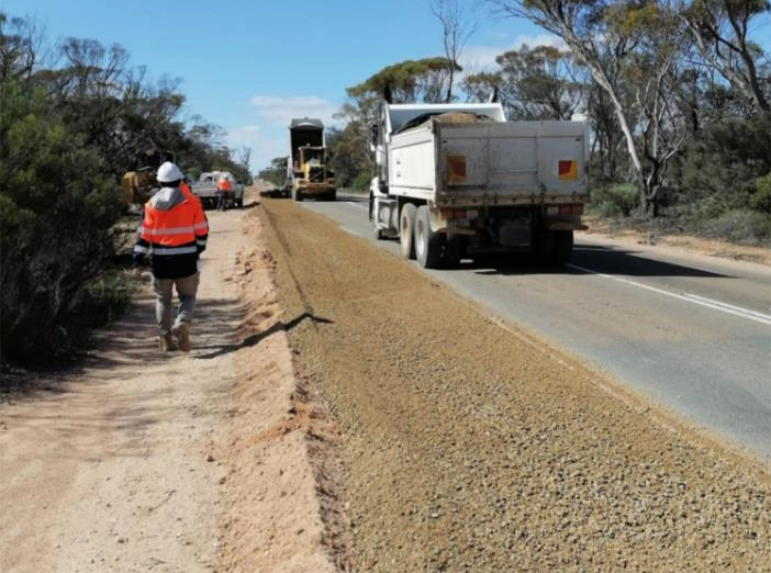
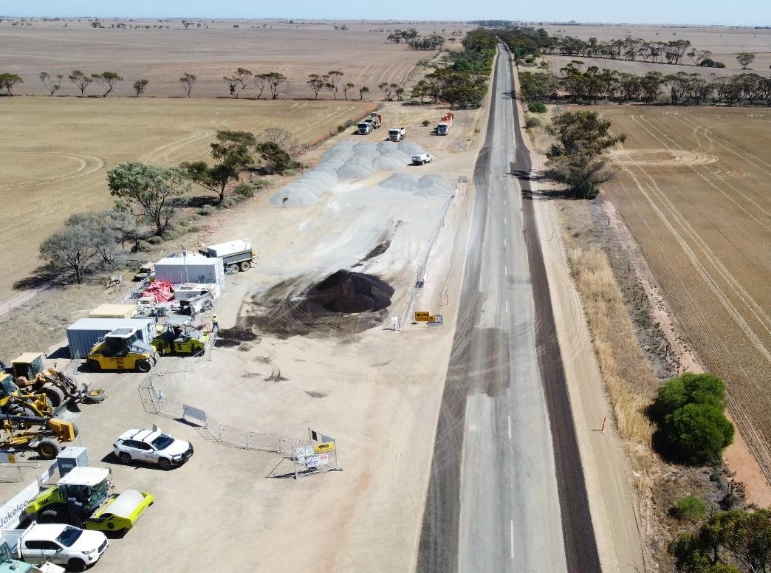
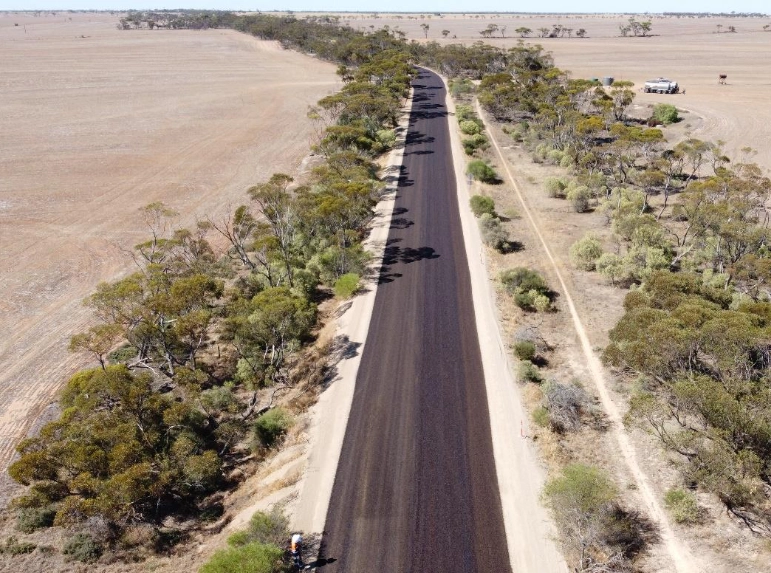
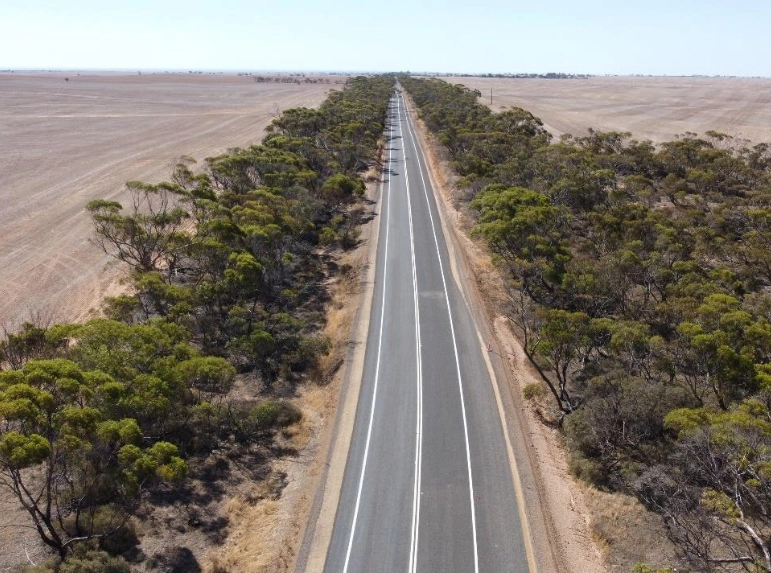
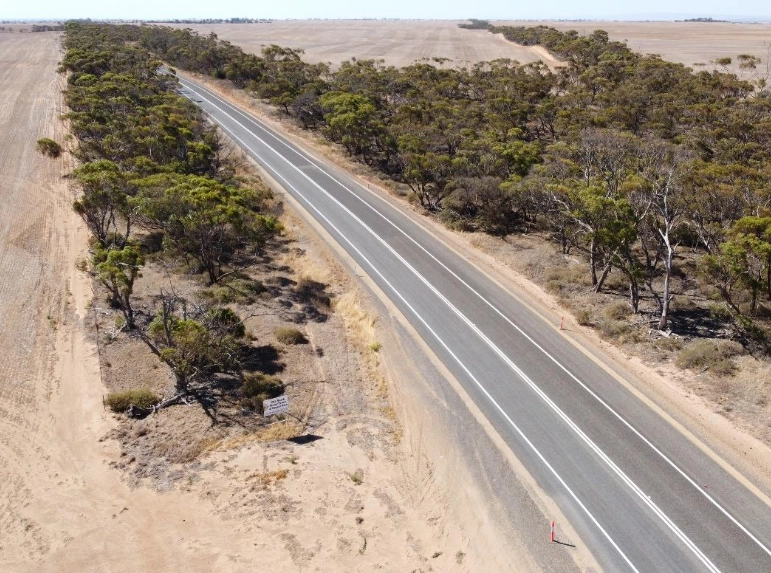
Upper Yorke Road Safety Upgrade involved the widening, rehabilitation and sealing of approximately 24.5 km of Upper Yorke Road between Port Broughton and Bute. The project was undertaken to improve the safety, structural performance and overall functionality of the existing road corridor.

The works focused on upgrading the existing pavement and road formation, improving road geometry at identified curves, increasing lane and shoulder widths, and providing improved sealed connections at minor side road junctions and access points.

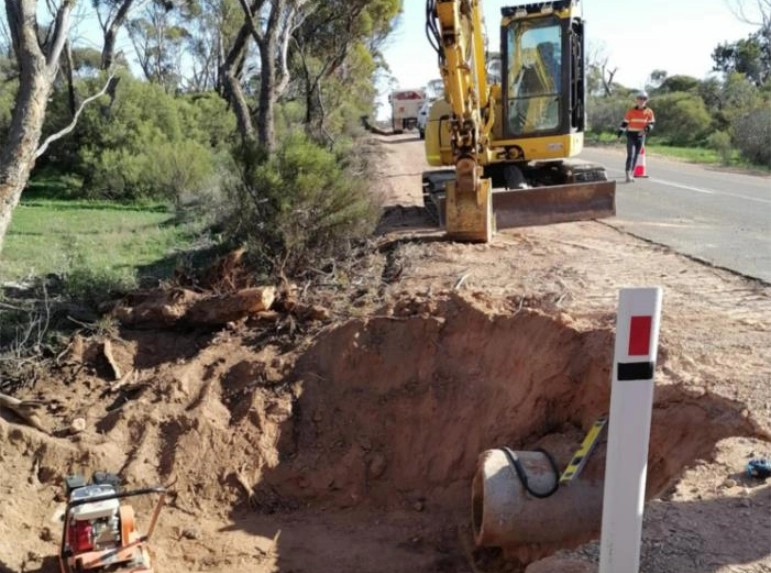
The project also included the extension of existing stormwater crossings to accommodate the upgraded road formation, together with associated road furniture, signage, guideposts and line marking. Vegetation removal and trimming were undertaken where required to facilitate construction and improve visibility and safety along the road corridor.

Objectives

The key objectives of the project were to:

  • Improve road safety and geometry through carriageway widening, curve improvements and additional sealed shoulders.
  • Rehabilitate and stabilise the existing pavement to improve strength, durability and service life.
  • Improve road sealing, intersections and property access points.
  • Upgrade stormwater crossings to support the widened road formation.
  • Improve roadside visibility and delineation through vegetation management, signage, guideposts and line marking.
  • Deliver the works safely and efficiently while minimising disruption to road users and meeting DIT requirements.

Scope of Work

  • Road Widening and Sealing
    • Widening of the existing road formation and carriageway to the required design widths.
    • Construction of pavement widening areas and tie-ins to the existing pavement.
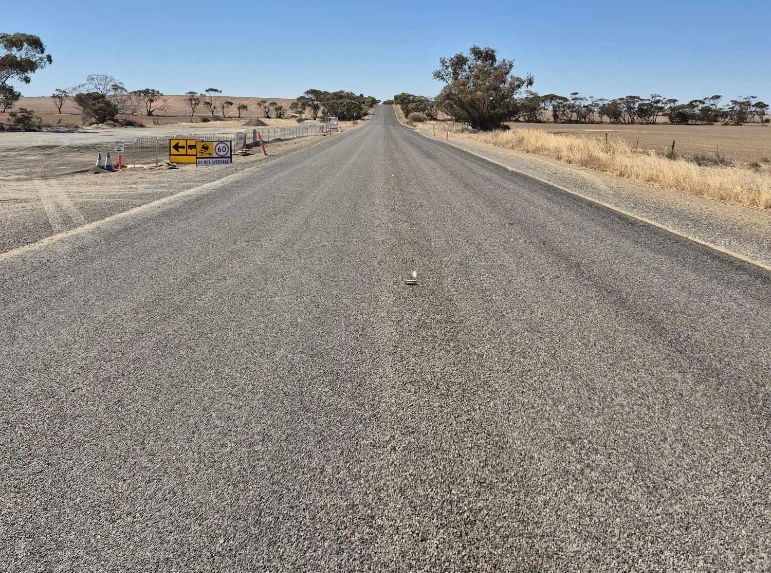
    • Sealing of widened areas and existing shoulders to improve road functionality and safety.
    • Preparation of pavement surfaces and construction areas prior to sealing works.
    • Construction of smooth transitions between existing and upgraded sections.
  • Pavement Rehabilitation and Stabilisation
    • Rehabilitation of sections of the existing pavement identified for treatment.
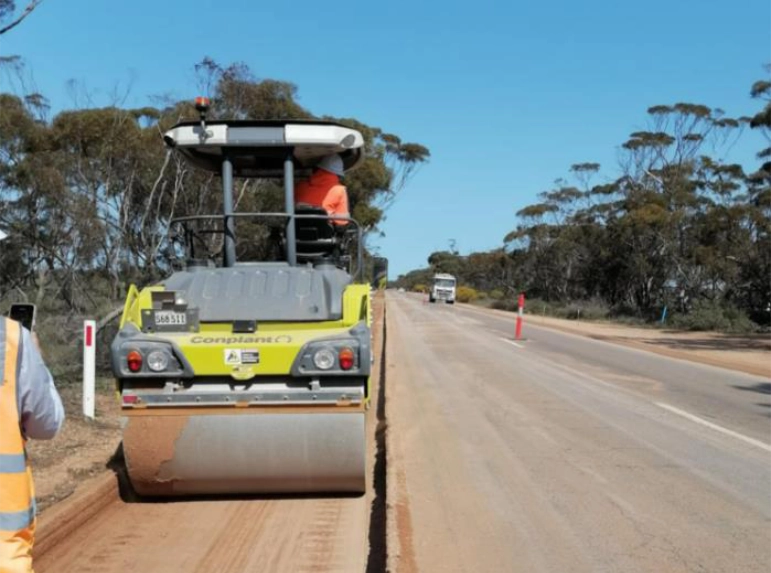
    • Pavement stabilisation to improve structural strength, durability and resistance to pavement deterioration.
    • Preparation, conditioning, grading and compaction of pavement materials.
    • Integration of rehabilitated areas with existing pavement and newly widened sections.
    • Quality control and testing to verify compliance with project specifications.
  • Curve and Shoulder Improvements
    • Improvement of existing curves to enhance road geometry and vehicle maneuverability.
    • Provision of additional lane width at nominated locations.
    • Increased sealed shoulder width to provide improved vehicle recovery areas.
    • Construction of appropriate transitions between widened and existing road sections.
  • Intersections and Access Improvements
    • Sealing improvements at minor side road junctions.
    • Sealing and upgrading of existing property and access points.
    • Construction of suitable tie-ins between the upgraded road and adjoining access points.
    • Maintaining safe and practical access for road users and adjacent properties during construction.
  • Drainage and Stormwater Works
    • Extension of existing stormwater crossings to accommodate the widened road formation.
    • Modification and adjustment of drainage infrastructure where required.
    • Maintaining effective drainage paths through the upgraded road corridor.
    • Protection and integration of existing drainage infrastructure with the new works.
  • Road Furniture and Ancillary Works
    • Installation, relocation and adjustment of guideposts.
    • Installation and adjustment of road signage associated with the upgrade.
    • Installation of new and reinstatement of existing line marking following completion of sealing works.
    • Completion of associated road furniture and ancillary works required to finalise each upgraded section.
  • Vegetation Management
    • Removal of existing vegetation within the construction footprint where required.
    • Trimming of vegetation to improve visibility, sight distance and construction access.
    • Management of vegetation works to minimise unnecessary disturbance to the surrounding road corridor.

Innovations and Strategies

The project utilised staged construction, targeted pavement rehabilitation and integrated widening and sealing works to improve efficiency and minimise disruption to road users. Proactive management of traffic, drainage, services, vegetation and property access supported safe delivery, while progressive quality control and coordinated road furniture installation ensured compliance with DIT requirements and a high-quality finished asset.

Conclusion

This successful project improved road safety, pavement performance, drainage, road geometry and shoulder conditions through targeted widening, rehabilitation, sealing and ancillary works.

Through effective staging, traffic management, quality control and proactive site coordination, the $10 million project was delivered with a strong focus on safety, efficiency and minimising disruption to road users. The completed works provide a safer, more durable and reliable road corridor for the local community and wider road network.